My Shopping Cart
| Bulk Discounts Prices | |
| Quantity | Price |
| 1 | $0.14 |
| File | Title | File Description | Type | Section |
|---|---|---|---|---|
| Pourer Insert for Metal Cap Specification | Specifications | Document | ||
| 2025_The_Olive_Centre_Food_Contact_Statement_Bottles_and_Cans__1_1.pdf | Food Contact Statement for Bottles and Cans 2025 | Specifications | Document | |
| Plastic Pourer Cap Insert Specification | Specifications | Document | ||
| Black_cap_with_pourer_1.pdf | Blank Unthreaded Black Metal Cap With Pourer | Data Specification | Diagrams | Document |
INFORMATION SHEET
What is a DOP Closure and how do you apply it to an Olive Oil glass bottle? Once the olive oil has been filled into the bottle you can see the video on how to apply.
This video shows how a DOP closure can be applied to the olive oil bottle. The non-refillable DOP snap closure once fitted is not removable. The DOP is considered safe, hygienic and very easy to apply even without the need for machinery. One pressure application can have the DOP applied to the bottle and is ready to remove the tamper-evident seal and pour the olive oil directly from the bottle.
The non-refillable system is a new type that can be seen across Europe without the need for applying the thread to the bottle.
KEY ONLINE TRENDS SHAPING AUSTRALIA’S OLIVE OIL MARKET

Olive oil - especially extra virgin olive oil (EVOO) - has become a pantry staple in Australia, reflecting both culinary traditions and modern health trends. Australian consumers are increasingly researching and buying olive oil through digital channels, from Google searches and social media to e-commerce platforms. This report presents a deep-dive analysis of current online trends around olive oil in Australia, examining search behaviour, consumer preferences, social media conversations, and online shopping patterns. The goal is to equip Australian olive oil producers with insights to capture market share via digital marketing, stronger customer engagement, and tailored product strategies. Key trends in branding, pricing, packaging, certifications (organic, cold-pressed, etc.), and storytelling are highlighted, with data from reputable Australian sources and market research. Strategic recommendations are provided to guide producers in aligning with these trends.
Australia’s olive oil market is growing steadily, driven by health consciousness and changing diets. The market reached about USD 440 million in 2025 and is forecast to grow ~4.2% annually, reaching USD 638 million by 2034. Much of this growth is spurred by heightened consumer awareness of olive oil’s health benefits and the popularity of Mediterranean diets, as well as improved domestic production and broader culinary use of olive oil in Australian kitchens.
Search Engine Trends: Online search behaviour offers a window into consumer interest. According to Google Trends data, searches for “extra virgin olive oil” dominate Australian queries related to olive oil, peaking at very high popularity in early 2025. Interest in organic olive oil is also on the rise - Google search volumes for organic EVOO in Australia increased by roughly 50% over recent years. This suggests more Australians specifically seek out terms like “organic olive oil” and “extra virgin”, aligning with a growing focus on purity and quality.
General food search trends underscore olive oil’s relevance. During the 2020 pandemic lockdowns, for example, there was a noticeable bump in olive oil interest as more people cooked at home. In the past year, spikes in search queries have also corresponded with news of olive oil shortages and price increases - Australians queried about olive oil prices and alternatives when global supply issues hit. Health-related searches (e.g. “olive oil health benefits” or the TikTok-inspired “olive oil shot”) have trended as well, reflecting a blend of genuine curiosity and viral fads. Overall, high search interest in EVOO and related topics indicates a robust online demand for information, which producers can meet through search-optimised content (recipes, health articles, FAQs about olive oil quality, etc.).
@brutamerica Olive oil shots are the latest influencer wellness trend, but are they actually good for you? #oliveoil #oliveoilshot #tiktoktrend #healthylifestyle ♬ original sound - Brut.
Consumer Mindset in Searches: Importantly, search queries reveal that many consumers are still educating themselves on olive oil. Common questions revolve around the differences between olive oil grades, usage tips, and health effects. This is not always positive – as one industry observer noted, people remain “confused as ever” about this simple product despite their curiosity. For example, some Australians historically misunderstood labels like “light” or “pure” olive oil (assuming “light” meant fewer calories, when it actually denotes refined oil with a lighter flavour). The high volume of “extra virgin” searches suggests that public awareness is improving, but producers should continue to use digital content to clarify terms and promote the superior qualities of Australian extra virgin olive oil.
Australian consumers’ preferences for olive oil are shifting in ways that are clearly visible online. Three major drivers define these preferences: health and wellness, premium quality & origin, and sustainability values. At the same time, economic pressures mean value and affordability are still crucial. Producers need to balance these factors in their digital marketing and product offerings.
Social media is a powerful arena for shaping consumer perceptions of olive oil in Australia. Across platforms like Instagram, Facebook, TikTok, and YouTube, there’s a lively conversation ranging from cooking inspiration and recipes to health tips and brand storytelling. Australian olive oil producers and industry groups have recognised this and are leveraging social media to engage consumers where they seek food inspiration.
Sentiment on social media toward olive oil in Australia is broadly positive – it’s associated with a gourmet lifestyle and health. However, companies must also be ready to address any negative or controversial chatter. For example, if there are discussions about “fake olive oil” or adulteration (a concern that sometimes circulates globally), Australian brands can proactively communicate their quality standards and certifications to reassure followers. The Australian industry has a Code of Practice and stringent testing for authentic extra virgin claims, and explaining this on social platforms can bolster consumer trust.
In summary, social media conversations in Australia reveal a fascination with olive oil’s culinary versatility and health credentials. The community is receptive to education and inspiration. Australian producers are successfully using content marketing and influencers to elevate olive oil’s profile – turning it from a commodity cooking oil into a source of culinary creativity and wellness. Going forward, maintaining an active, authentic social media presence will be key to capturing younger demographics and sustaining olive oil’s trending status.
The way Australians buy olive oil is evolving with the rise of e-commerce. While supermarkets remain the dominant retail channel, a significant shift toward online grocery shopping and direct-to-consumer (D2C) sales has occurred, accelerated by the pandemic and changing consumer habits. Producers should note the omnichannel nature of today’s shoppers – in fact, over half of Australian households now shop across four or more retailers, mixing online and offline. This section compares the key online channels for olive oil sales and how producers can leverage each:
1. Brand Direct (D2C) Websites: Many Australian olive oil producers, from large companies to boutique groves, now operate their own e-commerce sites. Through D2C online stores, they can tell their brand story, offer the full range of products (including specialty lines not available in supermarkets), and build direct relationships with consumers. A notable trend in D2C is the introduction of subscription services and bundles. For example, Cobram Estate – Australia’s largest olive oil producer – has launched a subscription program delivering refill pouches of EVOO to customers on a schedule. Subscribers receive fresh new-season oil in eco-friendly pouches (filled in Victoria) with free shipping, and they can return the empty pouches for recycling at no cost. This model taps into several consumer desires: convenience, freshness, sustainability, and cost savings (subscribers get a better per-litre price). The success of such programs indicates a direct channel opportunity: loyalty loops where consumers commit to regular deliveries of their favourite local oil. Other producers offer “olive oil clubs” or seasonal new harvest allotments via their websites. D2C sites also allow selling of value-added products (e.g., gift packs, infused oils like garlic- or chilli-infused EVOO, olive-based skincare) and providing rich educational content to support the sale (blog recipes, usage tips, etc.). Australian producers should ensure their websites are mobile-friendly and optimised for search, as many shoppers will discover brands via Google and then land on the official site to purchase or learn more.
2. Online Marketplaces (e.g., Amazon): Amazon Australia (amazon.com.au) has expanded its grocery and pantry offerings, including olive oils. Consumers can find both domestic brands and imported oils on Amazon. For instance, listings exist for Cobram Estate’s Australian EVOO, as well as international brands (Spanish, Italian) and niche products like high-polyphenol oils. Marketplaces offer convenience (one-stop shopping and fast shipping) and often cater to shoppers looking for bulk deals or hard-to-find imported varieties. However, compared to categories like electronics, Amazon is not yet the first choice for many Australian grocery shoppers – supermarkets still hold that role. Nonetheless, e-commerce marketplaces are growing and serve a segment of consumers who trust online reviews and the ease of delivery. A trend worth noting is that some boutique producers use marketplaces to reach customers outside their region or to offload surplus. Internationally, Amazon has been a channel for olive oil subscription boxes and bulk sales; we may see something similar in Australia as Amazon’s grocery arm grows. Additionally, other marketplaces like Catch.com.au or eBay see olive oil sales, and even social commerce (Facebook Marketplace or community groups) can be minor channels (for example, people selling home-pressed oil in community groups, though that’s niche and not always legal if unlicensed). For producers, the key is to maintain a presence where digital consumers shop. If listing on Amazon, ensure the product page has detailed info (origin, tasting notes, certifications) and encourages satisfied buyers to leave reviews, since ratings can heavily influence purchase decisions online.
3. Supermarket Online Grocery Platforms: Coles Online and Woolworths Online are hugely important for olive oil retail, given these chains’ market dominance. Consumers increasingly order their groceries online for delivery or click-and-collect, and olive oil is a common item in the virtual cart. The online shopping behaviour here mirrors in-store behaviour in many ways: shoppers compare brands and prices, look at product images and descriptions, and may even read reviews/Q&A on the product pages. One notable trend is the prominence of private label EVOO on these platforms – for example, Woolworths’ own brand or Coles’ brand olive oil often appears at top results due to its lower price, capturing budget-conscious clicks. As mentioned, private/store brands now represent a large portion of sales (historically up to ~40% by volume), appealing to value-focused buyers. For branded producers, winning in online grocery means ensuring your product has good visibility (through search keywords on the site, or promotions that get it on the front page), competitive pricing, and compelling information. It’s useful to provide high-quality images and even videos for the retailer’s site if possible. Promotional strategies like “Buy 2, Save 20%” or bonus loyalty points can drive online grocery sales just as they do in-store. Another behaviour is that many consumers rely on the filters and categories – e.g., filtering by “Australian made” or “organic” on the supermarket app. Thus, having the correct attributes (Australian, organic, etc.) tagged to your product in the retailer’s database can help niche products be discovered. In short, being a favoured choice on Coles/Woolworths online requires a mix of strong brand reputation (some shoppers search by brand or product name) and smart collaboration with the retailer for online merchandising.
4. Local Gourmet Marketplaces and Delivery Services: Beyond the big players, Australia has seen growth in specialised food e-commerce. Examples include Harris Farm’s online store (for gourmet and local products, mainly in NSW), farmers’ market aggregators, and boutique food delivery startups. These cater to consumers looking for artisan products and willing to pay a premium. Australian olive oils that are single-estate or award-winning often find a home in these channels. For instance, an online boutique might carry a range of Australian EVOOs with detailed tasting notes, much like a wine retailer. They might offer sampler packs (to let consumers try 3–4 different regional oils) or pair olive oil with other local delicacies (olives, dukkah, bread mixes) for curated gift hampers. The consumer behaviour here is exploratory and quality-driven: they browse for unique flavours and are influenced by storytelling. Reviews, expert curation, and provenance information are key. While volume through these channels is smaller, it’s a valuable segment for producers focusing on the premium and gift market. Ensuring your product is listed on well-known gourmet sites or partnering with meal-kit delivery services (some high-end meal kits include premium olive oil samples) can expose your brand to foodie audiences.
Online Directories and Marketplaces for Producers: It’s also worth noting initiatives like the Australian Olive Directory or regional produce portals, which list local olive oil producers and sometimes facilitate online ordering. Food Innovation Australia Ltd (FIAL) and other bodies have been promoting Australian food exports via online catalogues; domestically, similar efforts help connect consumers to local producers. Producers should take advantage of any free listings on such platforms to increase digital discoverability.
As shown above, omnichannel presence is key. An Australian olive oil producer might sell bulk to supermarkets, while also maintaining a boutique D2C line for hardcore fans and engaging customers on Amazon or similar for convenience buyers. The NielsenIQ data confirms this omnichannel reality: half of Australian households shop across 4+ retailers, blending online/offline, so being absent on a major channel means missing potential customers.
Consumer Expectations Online: Regardless of channel, Australian consumers shopping for olive oil online expect certain things. They want rich information – clear labelling of whether the oil is extra virgin, the origin (Australian or imported, region if possible), any certifications (Certified Organic, Australian Olive Association Code of Practice stamp, etc.), and even harvest date or best-by date for freshness if provided. They also value peer reviews: a product with strong positive reviews (either on Amazon, on the supermarket site, or even testimonials on a brand site) will have an edge. Convenient delivery options and return policies (for D2C) can influence decisions as well. As online grocery shopping becomes routine, features like subscription (save the hassle of reordering) or bundle discounts can lock in repeat customers.
Finally, price comparison is very transparent online. Shoppers can quickly compare the unit price of oils across brands and channels. This forces producers to be cognizant of their pricing strategy. Some may choose to offer exclusive packs online (e.g., a 3-litre cask or a twin-pack) to avoid direct price wars with supermarket SKUs, while offering value to the online buyer. Others might highlight the added value (free recipes, a small gift with purchase, etc.) to justify a premium price on their website. The emphasis should be on conveying the total value – not just the liquid in the bottle, but the quality, purity, and experience it brings – especially when appealing to the segment of consumers willing to pay more for a superior product.
In a competitive market, how an olive oil is presented and perceived can be as important as its taste. Branding, packaging, and certifications all contribute to a product’s story and trustworthiness, which are crucial in online marketing where customers can’t physically taste or inspect the product. Below, we examine key trends in these areas and how Australian producers are adapting:
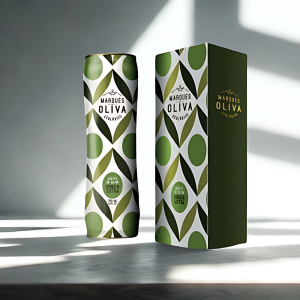
From a marketing perspective, producers should highlight packaging features in their online descriptions – e.g., “dark glass bottle for optimal freshness”, “100% recyclable tin”, or “comes with a pourer spout for easy drizzling”. Visuals of the packaging are important too: high-resolution images showing front and back labels, and maybe lifestyle shots (a bottle next to fresh salad) help convert browsers into buyers.
In terms of digital storytelling, certifications and production methods can be woven into content. A producer might publish a blog or video explaining what “cold-pressed” means or how their oil is chemically tested and certified every harvest – thereby educating consumers and underscoring credibility. Given that consumer confusion has been an issue historically in the olive oil category, these efforts are valuable. (For instance, the AOA has pointed out that Australian consumers had a high level of confusion about labelling, which marketing efforts need to overcome .)
Given the analysis above, Australian olive oil producers should consider the following strategic actions to capitalise on online trends and boost market share:
1. Embrace Digital Marketing and Storytelling: It’s no longer optional for olive oil brands to have a digital voice – it’s essential. Producers should invest in content creation that educates and inspires. This includes maintaining active social media profiles with regular recipes, cooking tips, and behind-the-scenes looks at production. The success of campaigns like “Get Drizzling” shows that engaging content can change consumer behaviour. Even smaller producers can apply this lesson by partnering with micro-influencers (local chefs, food bloggers, nutritionists) to create content around their olive oil. Storytelling should highlight what makes your product special – whether it’s the variety of olives, the region, the family tradition, or the awards won. By building an emotional narrative and providing useful information, you foster a community of fans who not only buy your oil but also advocate for it online.
2. Leverage Search Trends with Smart SEO: With so many consumers searching for terms like “best olive oil for health” or “Australian extra virgin olive oil”, producers should ensure they capture these queries. This means optimising website content for relevant keywords and answering common questions. For example, a producer’s blog could have articles on “Extra Virgin vs Pure Olive Oil” or “Health benefits of cold-pressed olive oil” to attract search traffic and establish authority. Additionally, consider using Google Trends or tools to monitor emerging search queries (e.g., if “olive oil for keto diet” spikes, perhaps create content around how EVOO fits a keto lifestyle). Being proactive in SEO helps direct interested consumers to your own site or product pages rather than to third-party content. Also, ensure your product listings on major retailers include keyword-rich descriptions (many people search within Coles/Woolworths sites for “olive oil extra virgin Australian”; having those terms in your product title will help your product show up).
3. Optimise E-commerce Channel Strategy: As discussed, a multi-channel approach is key. Ensure your product is visible and attractive on the platforms that matter: - On your D2C site, streamline the user experience: fast load times, easy checkout, clear product categorisation (everyday oils vs premium oils vs gift sets, etc.). Highlight incentives like free shipping thresholds or first-time buyer discounts. Consider offering exclusive bundles or limited harvest editions through D2C to differentiate from retail offerings. - On supermarket online portals, work with category managers to maximise your product’s exposure. Engage in digital promo campaigns (banner ads on their site, inclusion in their email newsletters for new products or specials). Also, maintain adequate stock to avoid appearing as “out of stock” online, which can quickly lose sales. - On marketplaces like Amazon, ensure competitive pricing and consider the logistics (fulfilment by Amazon can help with Prime customers). Solicit customer reviews by following up with purchasers, since a high star rating will boost future sales. Also, keep an eye on unauthorised resellers or any pricing inconsistencies that could hurt your brand image. - Explore new channels: For instance, specialty meal kits or subscription food boxes often seek high-quality local products to include – olive oil samples could be a great fit. Partnering with one can get your brand into the hands of food enthusiasts who may then order full-size bottles from you.
4. Deepen Customer Engagement and Loyalty: Capturing a sale is good; retaining a customer is better. Olive oil, being a repeat purchase product, lends itself well to loyalty programs. Producers should consider implementing subscription models or loyalty clubs (as Cobram did) to lock in repeat business. Offer subscribers perks like a slight discount, early access to new harvest oils, or exclusive content (recipes from a famous chef using your oil, etc.). Use email marketing to stay in touch with customers – for example, send seasonal recipes or a reminder when it’s time to re-order based on their last purchase. Encourage customers to follow your social media and maybe run occasional contests or giveaways (user-generated content contests can both promote engagement and provide you with marketing material). High engagement not only boosts repeat sales but turns customers into brand ambassadors.
5. Highlight Value – Both Quality and Affordability: In your communications, make sure to address both sides of the value equation. Emphasise the quality benefits of your olive oil: e.g., health advantages (perhaps cite that it’s high in polyphenols, which are great for health, linking to credible sources), culinary advantages (rich flavour, elevates dishes), and trust factors (certified extra virgin, award-winning, etc.). Simultaneously, acknowledge consumers’ budget considerations by offering solutions: “Our 3L cask offers the best value per millilitre for families” or “A little of our robust EVOO goes a long way in flavour, making it cost-effective”. If your price is higher than average, justify it by explaining the premium processes (early harvest yield is lower but produces intense flavour, organic farming is costlier but better for you and the planet, etc.). Transparency here can convince consumers that you’re not just more expensive for the sake of it, but because you deliver a superior product. Also, monitor and respond to competitor pricing – if imported oils drop in price due to a better harvest in Europe next year, be ready to communicate why staying with Australian oils (freshness, supporting local farmers, etc.) is still a worthy choice.
6. Capitalise on Health and Certification Trends: The health halo of olive oil is a huge marketing asset. Reinforce it in your digital strategy by, for example, publishing nutritional info and comparisons (show that your EVOO has no cholesterol, is rich in vitamin E, etc.). Engage with health professionals – maybe sponsor a nutrition webinar or partner with a dietitian influencer for a live Q&A on Instagram about cooking with olive oil for wellness. Moreover, use certifications proactively: if your oil is organic or certified sustainable, put those badges front and centre on product images online. If it’s certified Carbon Neutral or your company participates in an environmental initiative, share that news. Australians are increasingly looking for ethically produced foods, so any credible certification or practice (like fair labour, regenerative farming) can become a selling point. For instance, if you have OliveCare certification (Code of Practice), mention that the oil is laboratory-tested for purity and freshness – this can set minds at ease for those wary of adulterated imports.
7. Innovate in Product and Packaging: Stay abreast of the innovation trends and consider adopting those that fit your brand. The push towards sustainable packaging is one area where you can differentiate. Perhaps introduce a refill pouch product and a branded reusable bottle for your customers (as some global brands have done with aluminium bottles and fresh caps). Market this as both eco-friendly and freshness-preserving. If you produce flavoured oils (lemon-infused, chilli-infused, etc.), note that consumers enjoy variety – highlight these as ways to add gourmet flair to home cooking (these often do well as gift sets online). Keep an eye on emerging flavours or formats (e.g., spreadable olive oil blends as butter alternatives) that could catch on. Additionally, be ready to communicate about any technological innovations you employ (for example, if you implement blockchain traceability from tree to bottle, some brands are starting to talk about that to satisfy the ultimate transparency geeks). Even if not, simple tech like QR codes linking to a video of your latest harvest festival can make your product feel alive and connected to consumers.
8. Collaborate and Educate through Industry Initiatives: The Australian olive industry has collective efforts (AOOA campaigns, Olive Wellness Institute research dissemination, etc.) – plug your brand into these where possible. Share relevant industry content (like infographics about Australian olive oil’s lower acidity or higher antioxidants). By being an active voice in industry-wide education, you also elevate your brand’s profile. Consider volunteering for any case studies or pilot programs (say, a digital platform that tells regional food stories) – those often get media coverage. Education is particularly important to continue clearing up misconceptions; as mentioned, many consumers may not know that “light” olive oil isn’t lower calorie, or that you can fry with extra virgin olive oil (some still believe you can’t). Use your platforms to correct these myths – it ultimately expands the usage occasions for your product (for instance, more people might start using EVOO for sautéing if they learn its smoke point is sufficient for home cooking).
9. Monitor Feedback and Adapt: Digital channels provide a wealth of feedback – product reviews, social media comments, customer service emails, etc. Use these to gauge what consumers like or dislike. Are there frequent complaints about the pour spout dripping? Maybe modify your bottle design. Do customers rave about a particular flavour note in your oil? Emphasise that in marketing. If online reviews highlight that your 1L bottle is too big and goes rancid for a single person, perhaps introduce a 500ml option. This agility in responding to consumer feedback will improve satisfaction and build loyalty. Publicly responding to queries or issues (especially on social media or in review responses) helpfully also shows you care and builds trust with onlookers.
10. Balance Affordability, Health, Sustainability – the Triple Bottom Line: Finally, keep in mind the overarching insight from consumer research: winning products tend to “meet both basic needs and aspirational values”. For olive oil, the basic need is to be a tasty, healthy cooking ingredient at a fair price; the aspirational values include wellness, gourmet lifestyle, and environmental responsibility. Strive to hit all these notes. For example, offer a reasonably priced everyday EVOO that is still extra virgin (healthy) and Australian-grown (sustainable/ethical) for the mass market, and a line of gourmet, innovative oils for the foodies willing to spend more. Market them appropriately but under a consistent brand ethos. By doing so, you can capture a broad audience – from the budget family shopper to the organic devotee to the foodie Instagrammer – and adapt as trends evolve.
In conclusion, the Australian olive oil landscape online is rich with opportunity. Consumers are searching, sharing, and shopping for olive oil like never before, and they respond to authenticity, quality, and engagement. Australian producers who harness digital tools to tell their story, connect with consumers’ values, and deliver convenience and trust will be well-positioned to grow their market share. The combination of a strong digital presence and adherence to quality can turn a traditional product like olive oil into a modern success story – one drizzle at a time.